Why Condensation is the 'Enemy' of Chiller Systems
In industrial plant operations, condensation on chilled water pipes, valves, and AHU/FCU equipment is not just an aesthetic issue. It is a critical indicator that your insulation system is failing. When the surface temperature of insulation or metal cladding drops below the dew point of the surrounding air, moisture condenses into water.
The consequences include pipe corrosion, damage to factory ceilings and walls, slippery floors, and, most importantly, massive energy loss. Anton Therm understands that to prevent this permanently, temporary fixes are insufficient.
Root Causes of Condensation
- Inappropriate Material Selection: Materials with high thermal conductivity or sub-standard closed-cell structures.
- Insufficient Insulation Thickness: Calculations not based on actual site conditions, such as local humidity and temperature.
- Installation Defects: Gaps at joints, valves, or flanges that allow warm, moist air to reach cold surfaces.
- Damaged Protection Layers: Torn cladding allowing moisture to penetrate deep into the insulation.
Comprehensive Technical Solutions from Anton Therm
At Anton Therm, we approach cold insulation challenges with rigorous engineering processes to ensure long-term sustainability.
1. Site Survey and Thermal Thickness Calculation
The biggest mistake is applying a uniform insulation thickness across the entire system. We conduct thermal audits to determine the dew point at every area of the plant. Based on these parameters, Anton Therm calculates the optimal insulation thickness, ensuring the outer surface temperature remains above the dew point even under high-humidity conditions.
2. Selecting High-Performance Closed-Cell Materials
We prioritize materials with closed-cell structures (such as vulcanized rubber or specialized foam) that offer absolute moisture resistance. These materials prevent vapor diffusion from the surface, allowing the insulation to maintain its performance throughout the project's lifecycle.
3. Sealing Techniques and Metal Cladding
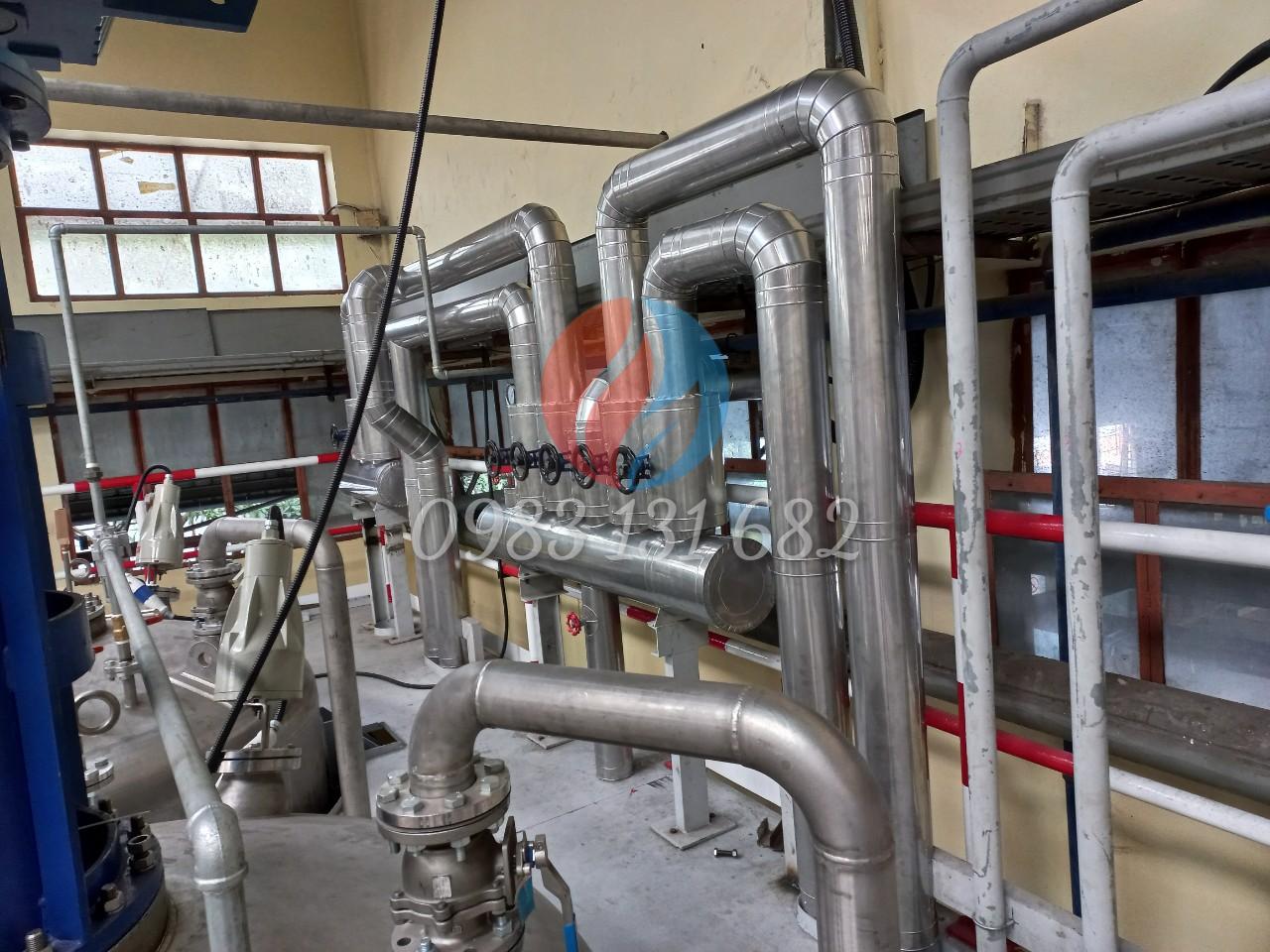
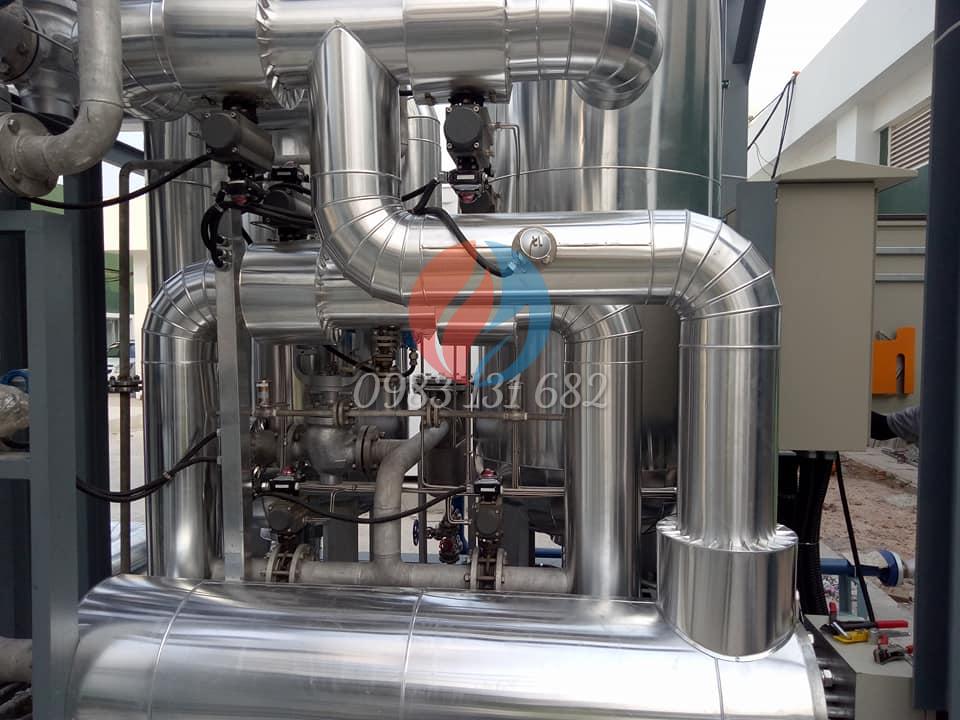
For cold systems, sealing joints is mandatory. Anton Therm applies metal cladding (aluminum or stainless steel) to protect the insulation from mechanical impact and UV radiation, creating a robust secondary vapor barrier.
4. FlexInsul Jacket for Complex Components
For valves, flanges, and frequently maintained equipment, traditional fixed insulation is impractical. Anton Therm recommends the FlexInsul Jacket. This flexible, removable insulation solution is custom-designed for your equipment, ensuring high airtightness, easy removal for inspections without damaging the insulation, and preventing condensation at connection points.
Recommendations for Maintenance and Facility Managers
To ensure stable system operation, we recommend:
- Periodic Inspections: Use infrared thermal cameras to detect cold spots or areas with unusual surface temperatures early.
- Immediate Repair: When the protective cladding is torn, moisture accumulates inside and destroys the entire insulation layer. Repair it immediately.
- System Re-evaluation: If your plant changes production processes or environmental conditions, request a re-calculation of the insulation's thermal load capacity.
Anton Therm does not just provide materials; we provide peace of mind through practical engineering solutions, helping your Chiller systems operate durably and with maximum energy efficiency.
Frequently Asked Questions
How do I know if my cold insulation system is up to standard?
A standard insulation system ensures the outer surface remains dry, the surface temperature is above the dew point, and there are no gaps at joints or valves.