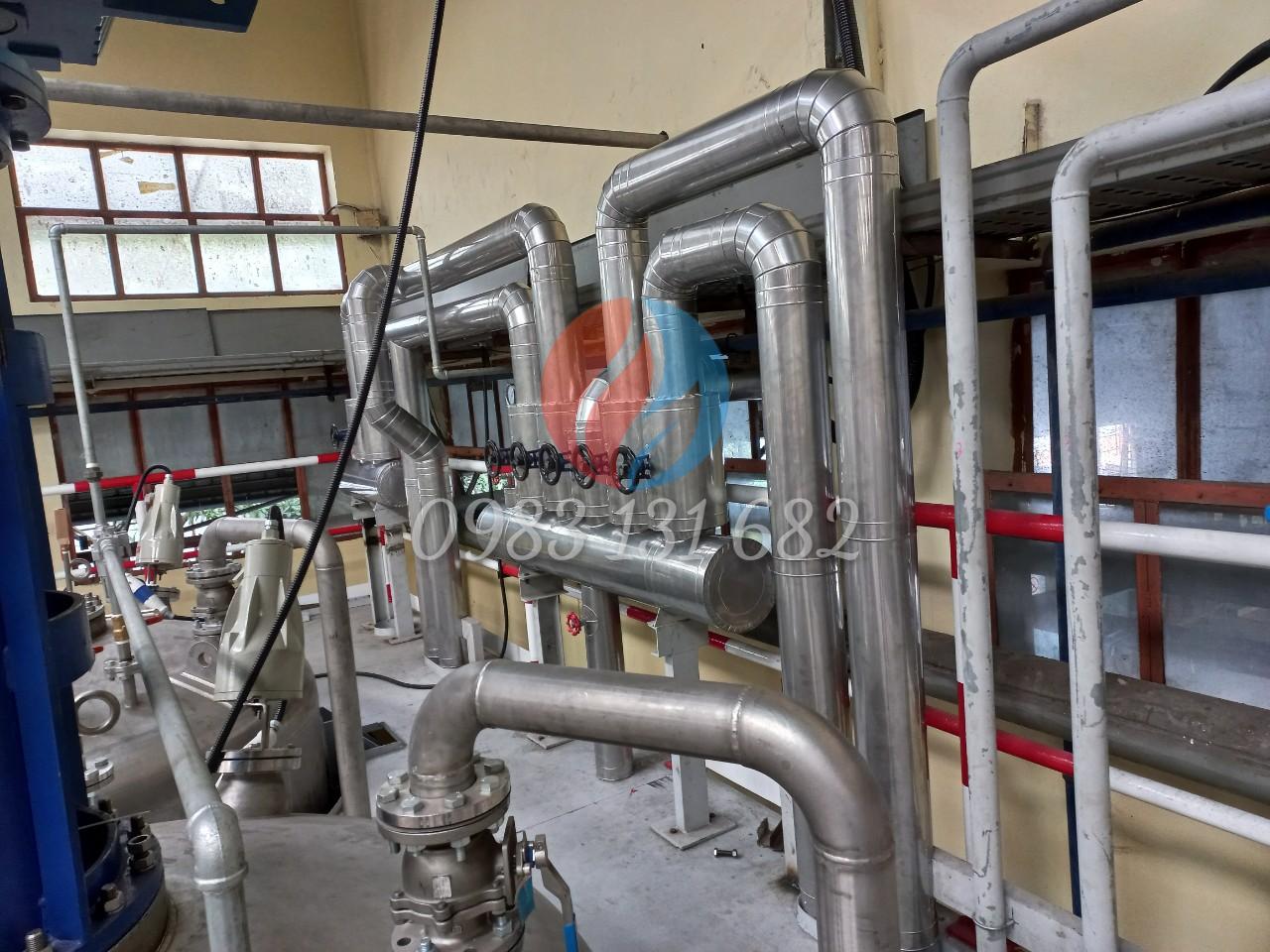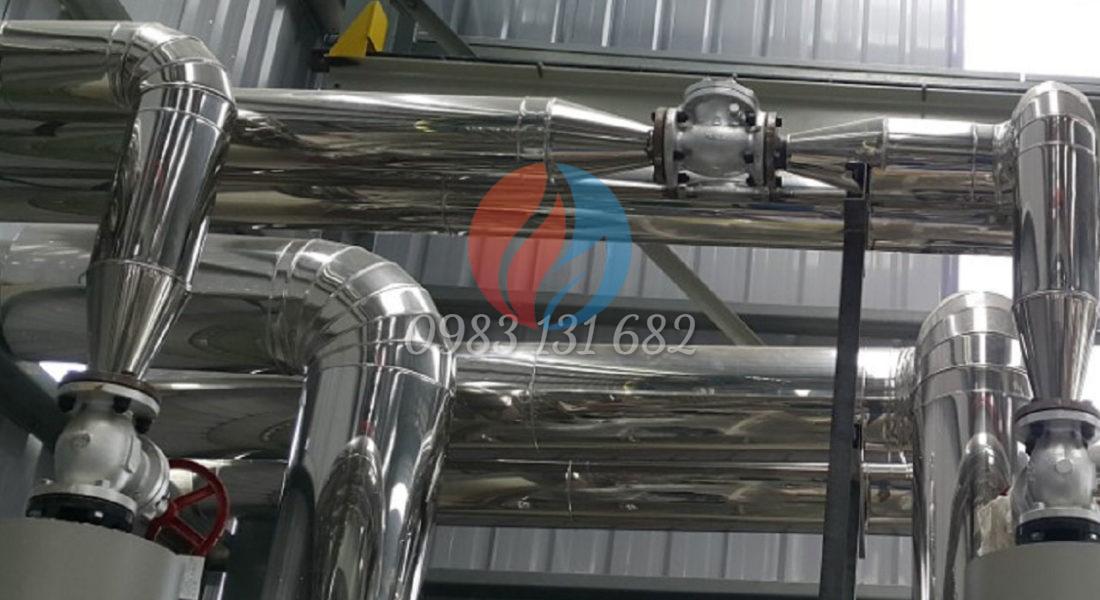
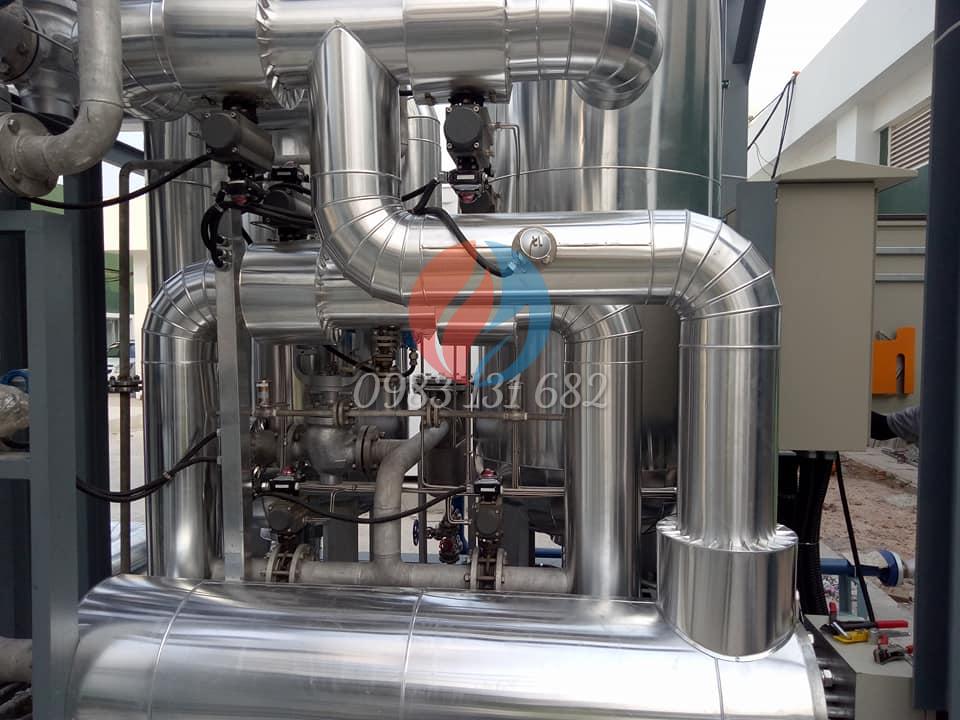
Why Metal Cladding is the Shield for Insulation Systems
In industrial plants, insulation materials like mineral wool, ceramic fiber, or PU foam are the primary barriers to heat loss. However, these materials are highly vulnerable to external environmental factors. Metal cladding is not merely a cosmetic finish but a critical component for maintaining thermal performance.
Protection against physical impacts and weather
Steam pipelines and hot process vessels are often located outdoors or in harsh operating areas. Humidity, acid rain, and UV radiation can rapidly degrade insulation, causing compression or water absorption. When insulation gets wet, its thermal efficiency drops significantly, leading to massive energy waste. Cladding made of galvanized steel, aluminum, or stainless steel acts as a robust barrier against these elements.
Preventing Corrosion Under Insulation (CUI)
Corrosion Under Insulation (CUI) is the silent enemy of carbon steel piping. Without a properly designed and sealed metal jacket, rainwater or wash-down water can seep through gaps. This leads to hidden corrosion that is impossible to detect without removing the insulation. Anton Therm emphasizes the use of precision-engineered metal cladding with sealed joints to prevent moisture ingress entirely.
Technical Standards for Metal Cladding Installation
To ensure the cladding fulfills its protective role, installation must adhere to strict technical standards:
Watertight integrity: Joints and seams must be designed so that water flows away from the connection points, preventing stagnation.
Material selection: Aluminum is ideal for lightweight requirements, stainless steel for chemical resistance or hygiene, and galvanized steel for standard industrial applications.
Thermal expansion: Hot piping systems expand and contract. Cladding must incorporate expansion joints to prevent deformation or tearing during thermal cycles.
Anton Therm's Approach to Integrated Insulation Solutions
Anton Therm provides more than just materials; we deliver professional engineering and installation services. We focus on designing cladding that is easily removable for maintenance access (valves, flanges) while ensuring long-term durability for straight pipe runs. Integrating high-quality insulation with robust metal cladding ensures significant energy savings over the asset's lifecycle.
Routine Maintenance and Site Surveys
Maintenance teams should conduct regular inspections of the cladding. Signs such as dents, rust at joints, or unusual noises coming from the insulation layer are indicators that the system requires technical attention. A thermographic inspection can help pinpoint areas where surface temperatures are abnormally high, indicating that the underlying insulation has failed.
Frequently Asked Questions
Why is metal cladding important for insulation systems?
Metal cladding protects insulation from mechanical damage, weather, and moisture, preventing Corrosion Under Insulation (CUI) and maintaining thermal efficiency.
When should pipe metal cladding be inspected?
It should be inspected quarterly or whenever there are signs of dents, rust, or when thermographic scans indicate abnormally high surface temperatures.