Why 'The Thicker the Better' is a Misconception in Insulation
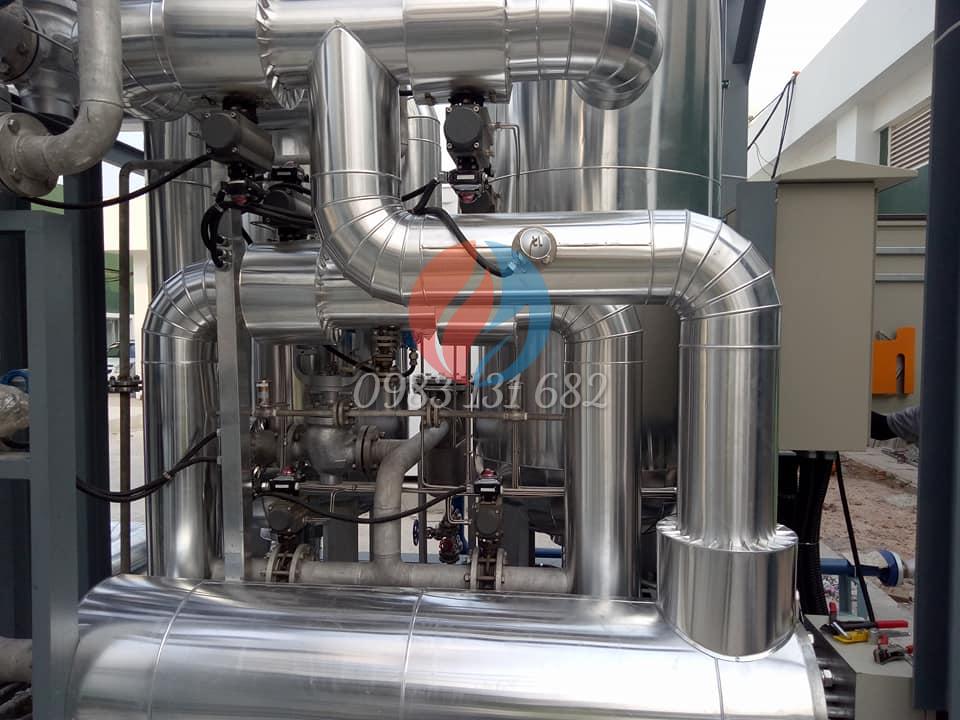
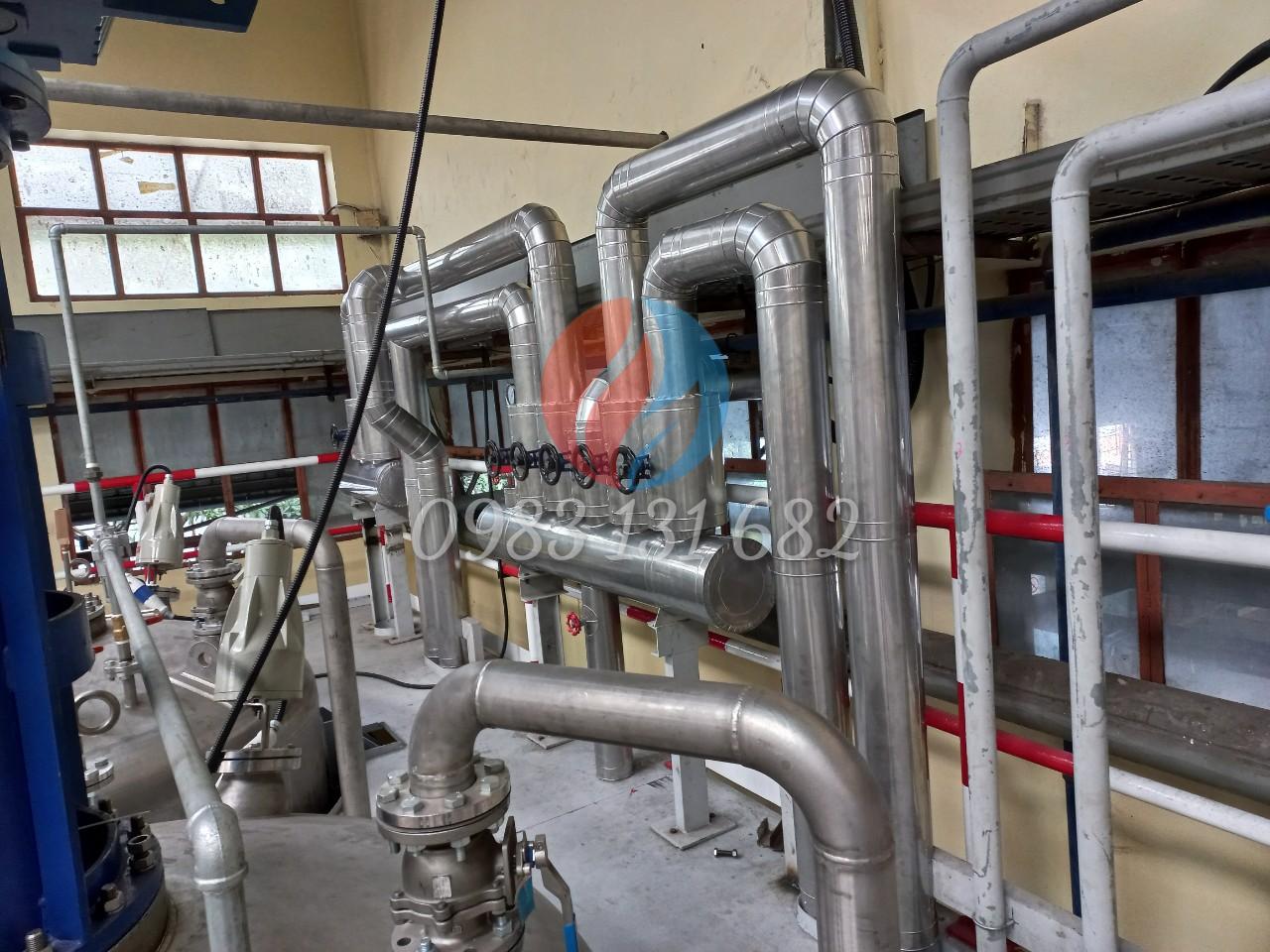
In industrial plant management, many teams mistakenly choose insulation thickness based on intuition or subjective experience. Installing layers that are too thin leads to severe heat loss, while excessive thickness wastes initial investment costs and complicates installation. At Anton Therm, we emphasize that insulation thickness must be calculated based on precise technical parameters.
Technical Factors Determining Insulation Thickness
To determine the correct thickness, our engineering team evaluates the following parameters:
Operating Temperature: The temperature of the internal fluid (steam, thermal oil) dictates the material type and thickness required to control outer surface temperature.
Pipe and Equipment Diameter: Small-diameter pipes have a larger surface area relative to volume, requiring different calculations compared to large tanks.
Environmental Conditions: Ambient temperature, humidity, and wind velocity at the installation site directly affect the convective heat transfer coefficient.
Surface Safety Standards: The primary goal is to ensure the outer surface temperature of the insulation is safe for operators (typically below 60°C).
Consequences of Incorrect Thickness Calculations
Improper calculations lead to two major issues: energy loss due to thermal bridges or localized heat leaks, and occupational safety risks. When the insulation is too thin, the external metal surface temperature exceeds safe limits, posing burn risks to maintenance staff. Conversely, choosing the wrong material type, even with the correct thickness, can lead to degradation or shrinkage over time.
The Role of Anton Therm in Site Surveys
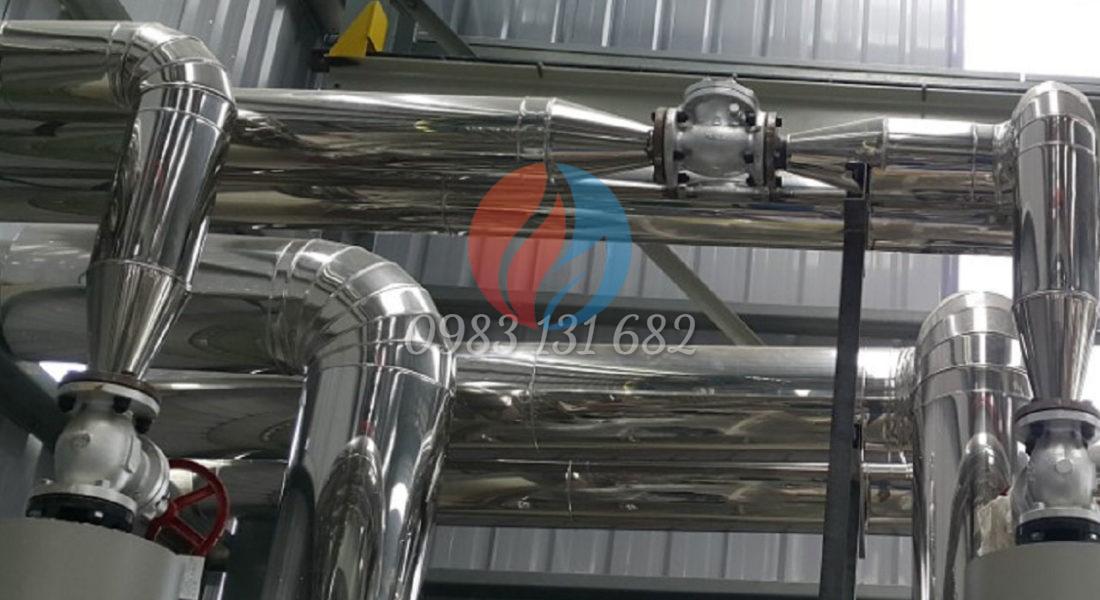
Anton Therm does not just provide materials; we conduct comprehensive technical surveys. Using thermal imaging and specialized calculation software, we determine the optimal thickness for every specific location. From main steam lines to valves and flanges requiring frequent access, we ensure thermal performance meets the owner's requirements.
Expert Recommendations
Do not wait until energy bills skyrocket to review your insulation system. Conduct annual inspections. If you notice the outer metal cladding is deformed, or the surface temperature is too high to the touch, it is a sign that the thickness or quality of your insulation is no longer adequate. Contact Anton Therm for professional consulting on sustainable and efficient insulation solutions for your factory.
Frequently Asked Questions
How do I know if my current insulation thickness is adequate?
You can measure the outer surface temperature. If the temperature is significantly higher than the ambient air or if thermal imaging shows heat leaks, it is time to inspect and recalculate.