Why Thermal Audits are Essential for Energy Management
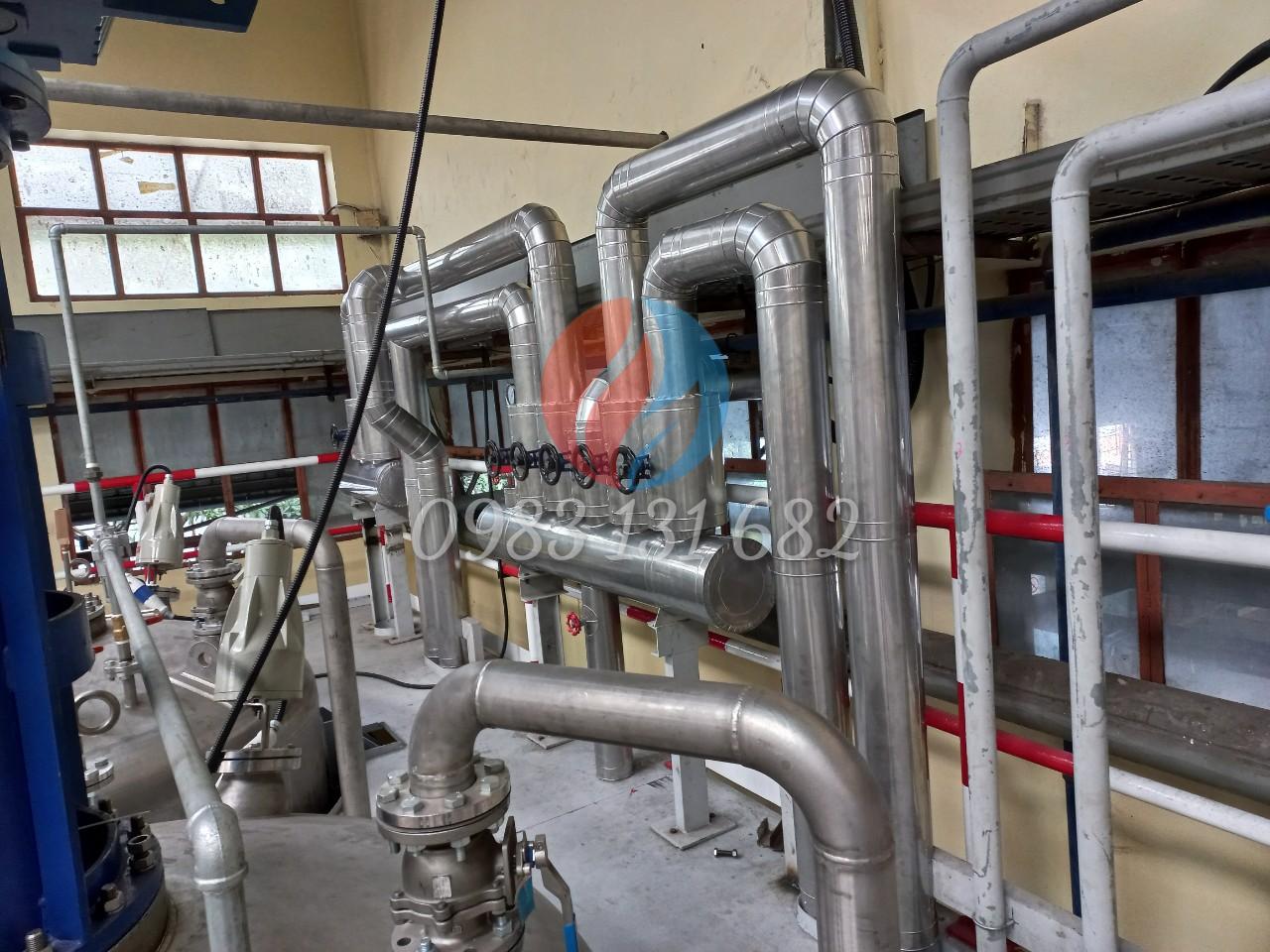
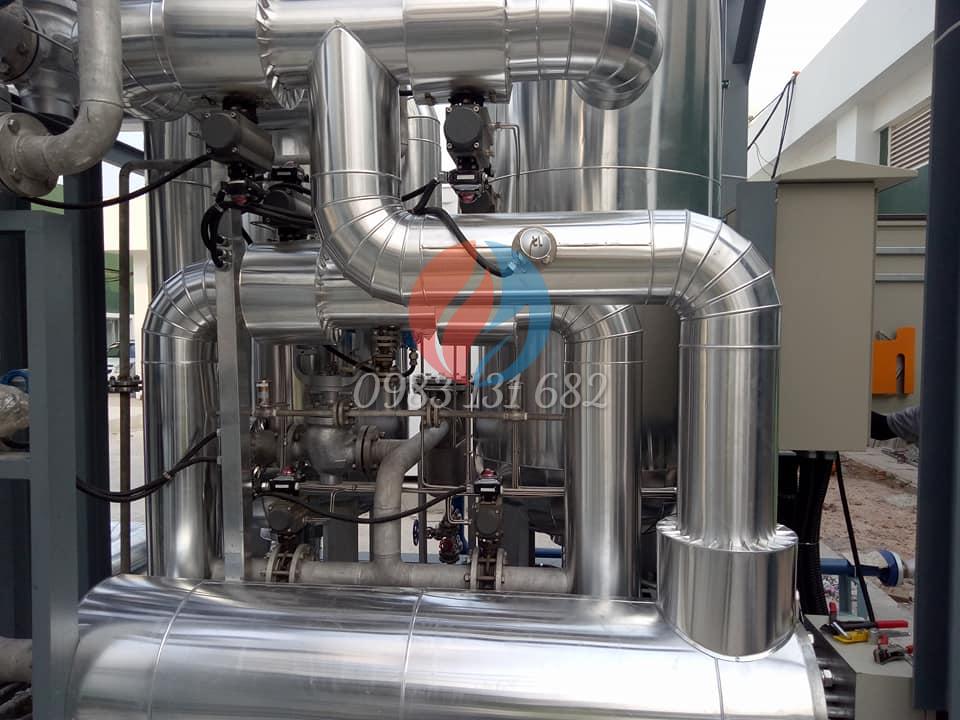
In industrial facilities operating steam or chilled water systems, insulation is more than just a covering; it is a critical barrier for performance. Over time, due to thermal expansion, mechanical vibration, and environmental factors, insulation systems develop weaknesses that lead to significant energy loss. A thermal audit is a comprehensive survey process that enables plant engineers to accurately identify areas requiring intervention before they escalate into major operational issues.
Signs that You Need an Immediate Thermal Audit
Maintenance teams should initiate a survey when they notice signs such as: distorted metal cladding, rising steam or heat from valves, abnormally high surface temperatures, or condensation/frost on cold piping. These are not just signs of energy waste but also pose safety risks to operating personnel.
The 5-Step Anton Therm Standard Thermal Audit Process
To achieve maximum efficiency, the inspection process must be systematic:
- Step 1: Equipment Inventory: Document all locations requiring inspection, such as valves, flanges, pipelines, tanks, and heat exchangers.
- Step 2: Surface Temperature Measurement: Use infrared thermography to record temperatures at critical points.
- Step 3: Heat Loss Analysis: Compare actual temperatures against design specifications to determine the scale of energy loss.
- Step 4: Insulation Integrity Assessment: Inspect the condition of internal insulation materials and external metal protective jackets.
- Step 5: Recommendations Report: Propose specific solutions for repairs, replacements, or insulation upgrades.
The Importance of Inspecting Valves and Flanges
These components are often overlooked or incorrectly insulated. If a valve requires frequent maintenance, installing FlexInsul removable jackets is the optimal solution. It simplifies periodic inspections, allowing access without damaging traditional insulation materials.
The Role of Experts in Energy Optimization
Self-inspection only identifies surface-level issues. For true optimization, engineers must calculate appropriate insulation thickness based on real-world environmental conditions and operational requirements. At Anton Therm, we provide in-depth technical consulting, helping plants not only fix failures but also optimize long-term operational costs through sustainable material selection and insulation design.
Conclusion
A thermal audit is not just a periodic maintenance task; it is a strategic tool for energy management. By detecting heat loss points early, plants can save fuel costs, extend equipment lifespan, and ensure a safe working environment. If your system has not been inspected recently, contact professional partners to perform a comprehensive survey today.
Frequently Asked Questions
When should a plant conduct a thermal audit?
It should be performed annually or when signs like high surface temperatures, damaged cladding, or spikes in energy costs are detected.
Does a thermal audit help save costs?
Yes, by identifying exact heat loss points, you can invest in targeted repairs, reducing fuel waste and extending equipment lifespan.