The importance of selecting the right steam pipe insulation
Steam pipeline systems are the energy 'arteries' of any industrial facility. Choosing inappropriate insulation materials not only results in significant heat loss but also poses safety risks and leads to Corrosion Under Insulation (CUI). This article outlines the essential technical criteria for maintenance teams and procurement departments.
1. Temperature Resistance and Thermal Stability
Materials must withstand the continuous operating temperature of the steam without deforming, shrinking, or degrading. Carefully check the 'maximum service temperature' of the material. For steam systems, materials like Rockwool, Ceramic fiber, or Calcium Silicate are typically preferred due to their high-temperature tolerance.
2. Thermal Conductivity
This is the most critical metric determining energy efficiency. The lower the thermal conductivity, the better the heat transfer resistance. Always request a Technical Data Sheet (TDS) that shows the thermal conductivity across the actual operating temperature range of your plant, rather than just room temperature values.
3. Moisture Resistance and Water Repellency
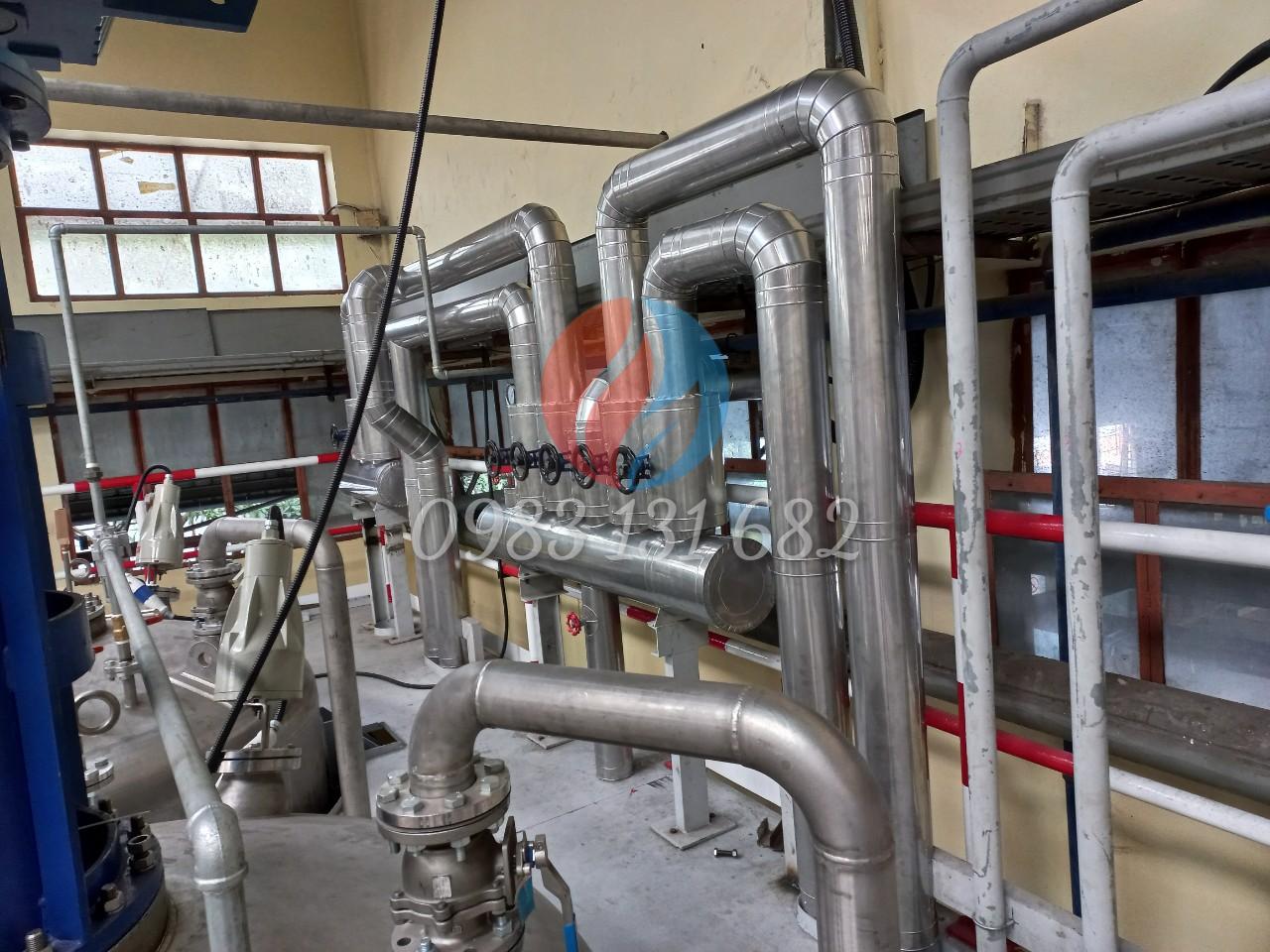
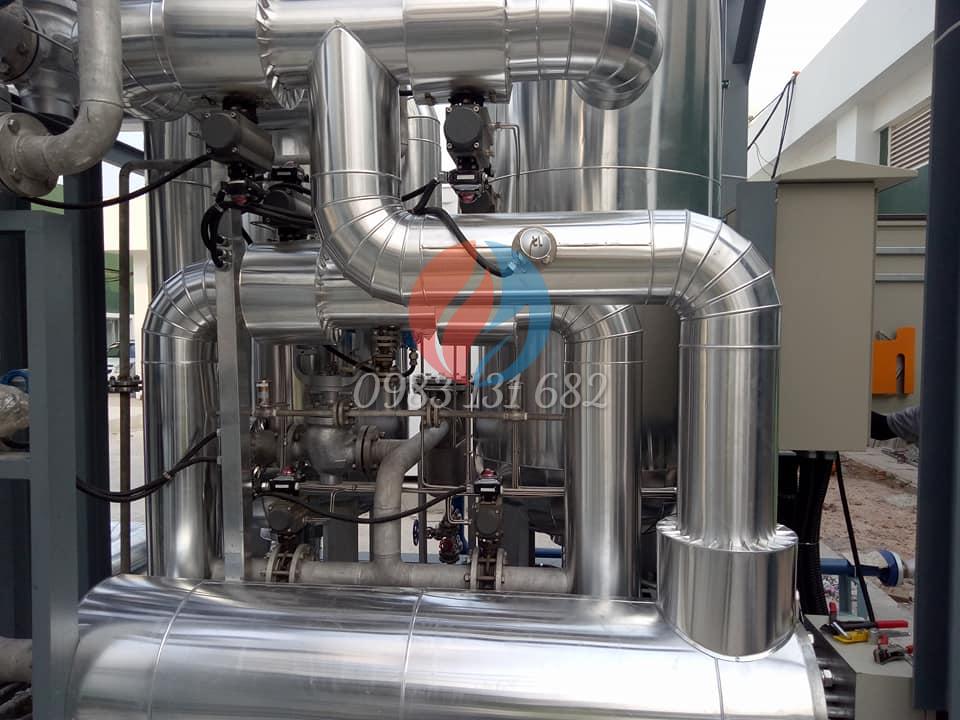
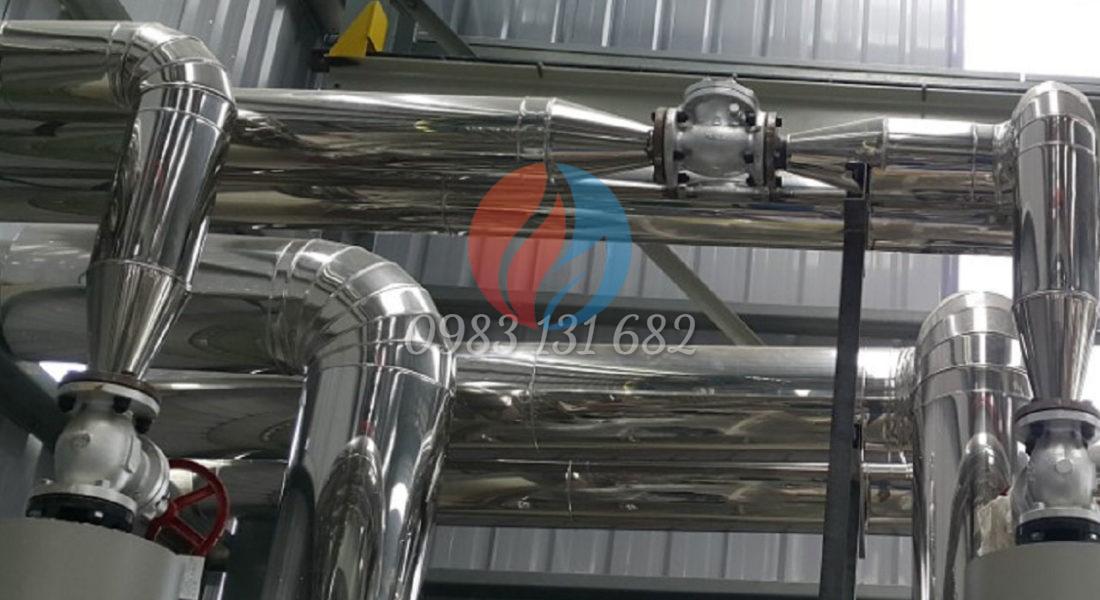
Steam pipes are often routed outdoors or in high-humidity areas. Insulation that absorbs moisture loses its insulating properties rapidly and accelerates pipe corrosion. Therefore, insulation should be paired with protective metal jacketing (Aluminum/SS304) and utilize materials with high hydrophobic properties.
4. Mechanical Durability and Resilience
In industrial environments, insulation is subjected to vibrations from pumps, valves, and physical impacts. The material must have excellent compression strength and not sag or settle over time, ensuring the design thickness remains consistent.
5. Safety and Environmental Standards
Prioritize non-combustible materials according to ASTM or ISO standards. Additionally, check for certifications regarding chloride ion content, which is particularly important if the piping is made of stainless steel, to prevent stress corrosion cracking.
Advice for Engineering Teams
Before making a procurement decision, request physical samples and independent laboratory test results. Do not focus solely on initial investment costs; calculate the Life Cycle Cost based on the energy savings expected over 3-5 years of operation.
Frequently Asked Questions
How do I know if an insulation material is suitable for my steam temperature?
Check the 'Maximum Service Temperature' in the manufacturer's TDS. The pipe's operating temperature should be at least 50-100°C below this limit for safety.
Why is Chloride content in insulation material important?
High Chloride content can cause Stress Corrosion Cracking (SCC) on stainless steel piping when moisture penetrates the insulation layer.